- 2477 Vista Drive. Lake Geneva, WI 53147
- Monday - Friday 9:00 AM to 5:00 PM
Many Wisconsin homeowners start a basement project with a simple goal: make the lower level more useful. Maybe the plan is to add a bedroom, create a cleaner family area, build a home office, or finally finish the space that has been sitting unused for years.
But once planning begins, many people run into the same problem.
The basement has potential, but the layout feels limited.
There may be one small window in the wrong place. The best wall for a bedroom may not have enough natural light. The stairs may break up the flow of the room. Mechanical systems may take up the most convenient corner. The outdoor grade may make one side of the home harder to excavate. Suddenly, the basement remodel feels less straightforward than expected.
This is what we call the basement bottleneck.
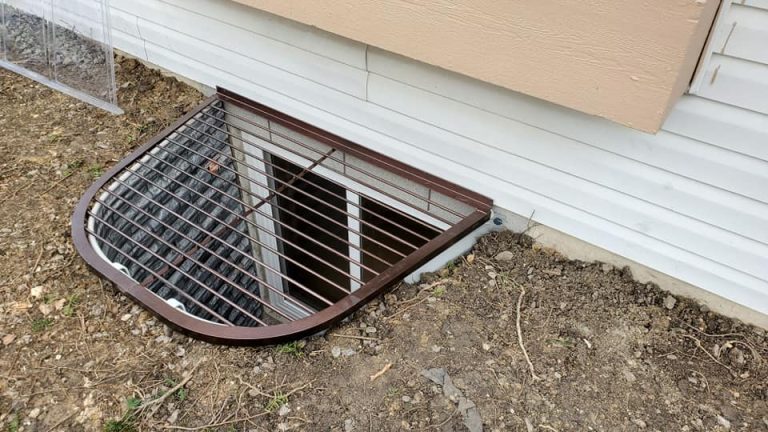
Before choosing paint colors, flooring, furniture, or finishes, homeowners need to think about how the basement will actually function. For many projects, the egress window becomes one of the most important planning decisions.
What Is the Basement Bottleneck?
The basement bottleneck is the point where a remodeling idea gets restricted by the existing structure of the home.
In a main-level room, windows, doors, walls, and access points are usually already designed for daily living. In a basement, that is not always the case. Many basements were originally built for storage, utilities, laundry, or open unfinished space.
That means the room may not be ready for the way homeowners want to use it today.
Common bottlenecks include:
An egress window can help solve some of these problems, but only when it is planned early enough in the project.
Why Egress Planning Should Happen Before the Remodel
One of the biggest mistakes homeowners make is treating the egress window as a final detail instead of a starting point.
They plan the bedroom layout first. They frame the walls. They choose where the closet will go. Then they realize the egress window needs to be installed in a different location than expected.
That can lead to extra work, redesigns, delays, and unnecessary costs.
A better approach is to plan the egress window before the basement layout is finalized. This helps determine where the safest and most practical finished room should go.
The right egress plan can influence:
When the egress window is planned correctly from the beginning, the entire basement project becomes easier to design.
The Best Wall Is Not Always the Best Egress Location
Many homeowners assume the egress window should go wherever it looks best inside the basement. But egress installation has to make sense from both the inside and outside of the home.
A wall may look perfect from the interior, but the outside could create complications. There may be a patio, deck, driveway, utility line, landscaping, steep grade, or drainage concern in that location.
In other cases, the easiest exterior access may not match the best interior layout.
That is why professional guidance is valuable. A good egress window plan considers both sides of the foundation, not just the room itself.
The goal is not simply to cut a window into the basement wall. The goal is to choose a location that supports safety, function, drainage, appearance, and long-term use.
How Egress Placement Changes the Flow of the Basement
Egress windows can affect more than light and code. They can shape how the entire basement feels.
A well-placed egress window can create a natural focal point in a finished room. It can help define where a bedroom, sitting area, office, or guest space should be located. It can also make a lower-level room feel more intentional instead of improvised.
Poor placement, on the other hand, can make a room feel awkward.
For example, if the window is too close to a corner, furniture placement may become difficult. If it is installed near a utility area, the room may not feel as finished. If the window well is placed where exterior water naturally collects, drainage becomes a concern.
Planning the window location early helps the basement layout feel more complete and natural.
Wisconsin Weather Makes Planning Even More Important
Basement projects in Wisconsin require more than basic design thinking. The climate matters.
Snow, rain, freeze-thaw cycles, and heavy spring moisture can all affect how an egress window and window well perform over time. A location that seems convenient in summer may collect snow in winter or hold water during spring thaw.
That is why drainage, grading, window well selection, and installation details are so important.
A smart egress plan considers how the system will perform throughout the year, not just how it looks on the day of installation.
Questions to Ask Before Installing an Egress Window
Before starting a basement remodel or egress installation, homeowners should ask:
These questions can help homeowners avoid costly changes later.
Better Planning Creates a Better Basement
A successful basement remodel is not just about finishes. It is about function.
The right egress window plan can help remove the bottlenecks that make basements feel difficult to finish. It can give the room a clearer layout, safer access, better usability, and a more intentional design.
For Wisconsin homeowners, this planning step is especially important because basements need to perform through every season.
Before you finish the walls, choose the flooring, or design the room, start with the part of the project that can shape everything else: the egress plan.
Plan Your Egress Window Installation With EZegress Windows
If you are thinking about finishing your basement or adding a basement bedroom, EZegress Windows can help you plan the project the right way from the beginning.
Our team understands how egress window placement, window wells, drainage, exterior access, and basement layout all work together. We help Wisconsin homeowners make smart decisions before the project becomes more complicated.
Contact EZegress Windows today to schedule professional egress window installation and start planning a safer, more functional basement.
